Tagged: #familyhistory

Making the Most of Muster Rolls

It’s no secret that military service generated records. When genealogists think of military records, the first type that usually comes to mind is pension records. Why? Because of all military records, the pension application doesn’t simply reveal a soldier’s military service; it also gives critical genealogical information about the applicant, who could be the soldier, his widow, his children, or other legal claimant to a military pension. In some cases, a pension file can contain applications by one or more of these persons. The muster roll, however, is different, and often overlooked. This is because muster rolls are thought of as just lists of names of men who served in military units under certain officers, something akin to a schoolroom roll call. But they can be much more than that, and should be on your research checklist when you have ancestors who served in the military. Before You Start To...

“Round Up The Unusual Suspects”: Uncommon Sources of Genealogical Information

To paraphrase Captain Renault, played by Claude Rains in the classic 1942 film Casablanca, in today’s blog we’re taking a look at unusual sources as genealogical resources. Generally, these are resources we wouldn’t normally associate with genealogical research. This approach is particularly important for the historical periods before the start of standard sources, but isn’t limited to them. They may be in any form or format and may be found anywhere. What genealogist doesn’t get excited when confronted by an unusual source? He or she wants to extract everything from it that will advance the research. But just as it is with traditional sources, it’s worthwhile to question it and investigate the origin of an unusual source. Why was it created? How credible is it? It might be unusual but it still needs to be believable. What does it tell you about the ancestor? How does it make the family...

Epidemics and Genealogical Research

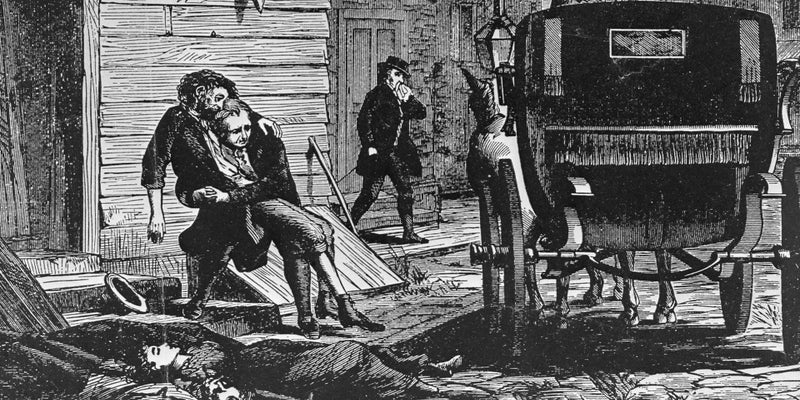
“Philadelphia 11th october 1793 11 OClock A.M. “The fever from all that I can learn is more fatal than ever, yesterday a vast number of burials – I do not expect any abatement of the fever before we have rain and high winds – The day before yesterday we were witness to what appears to me Shocking – a Coffin was brought to the entrance of Welsh’s alley, where it stayed sometime for the man to die before he was put into the Coffin, Such hurry must burry many alive.” The role of disease-causing microbes in human history has long been studied. When conducting genealogical research, however, knowledge of disease becomes just as important. Disease could be the reason why you can’t find an ancestor somewhere, or why long-residing families suddenly relocated, or why an ancestor may have remarried. But it also has wider genealogical ramifications. Disease affected entire communities....