

Genealogical Research in Institutional Records
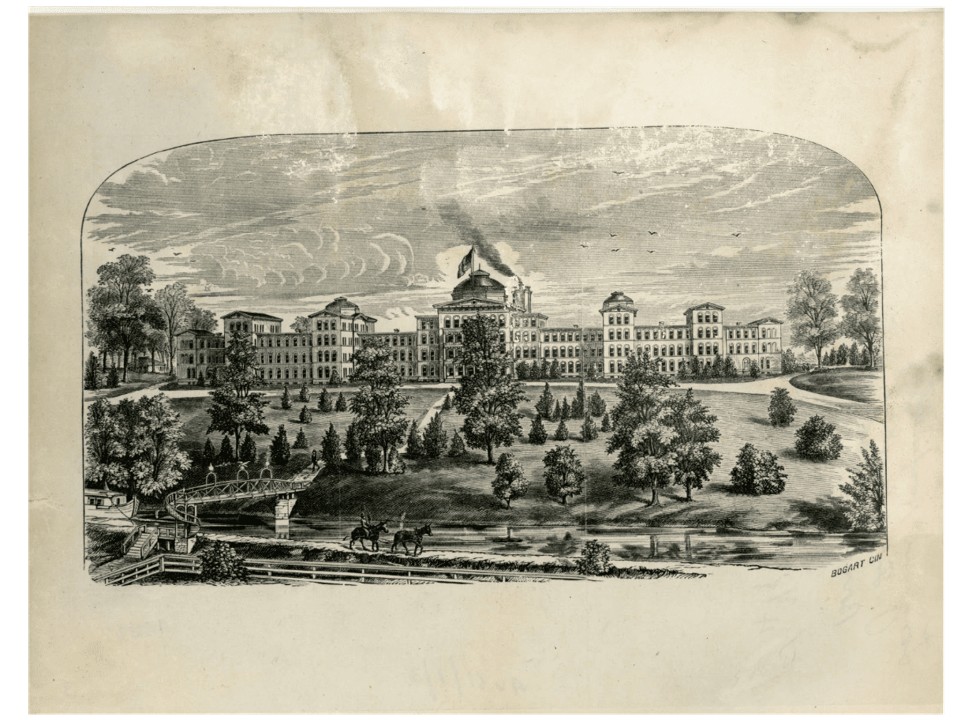
Researching an ancestor who resided in an institution can be a challenging and emotional process, demanding both patience and resourcefulness. Today we’ll discuss some valuable record types and research strategies to help you discover more about an ancestor who lived or worked in such an environment. (Top image shows buildings and grounds of Longview State Hospital, Cincinnati, Ohio.)
History of U.S. Institutions
The first institution in America was an almshouse. It was established in Boston, Massachusetts in 1662 and was financed partly by wealthy donors. It had charitable aims but also conferred partial responsibility for its existence on misdeeds and bad choices of people who resided in it:
“[F]or the relief of the poor, the aged, and those incapaciteated for labor; of many persons who would work, but have not the wherewithal to employ themselves; of many more persons and families, who spend their time in jolliness and tipling [sic], and who suffer their children shamefull to spend their time in the streets, to assist, employ, and correct whom the proposed institution was provided.”
Until the nineteenth century, many people with disabilities were locked in poorhouses or jails if their families could not care for them. At that time, institutions opened and catered to people with disabilities, often for the person’s lifetime. Institutionalization grew more popular in 1883 when the pseudoscience of eugenics took root in America to “improv[e] the stock of humanity.” Some institutions founded for institutionalization were transformed into places of therapy and education. The focus shifted to education, and schools began to work with students to help them adapt.
Why Were People Confined?
Due to cultural norms of the time, almost anything could be a reason for placing someone in an institution. “Disobedient” wives or children; alcoholism; poverty; depression or mania; actual illness; going against societal norms; even one spouse wanting to carry on an extra-marital relationship could avoid a “scandalous” divorce by claiming the other spouse needed to be sent to one of these places (Fig. 1)

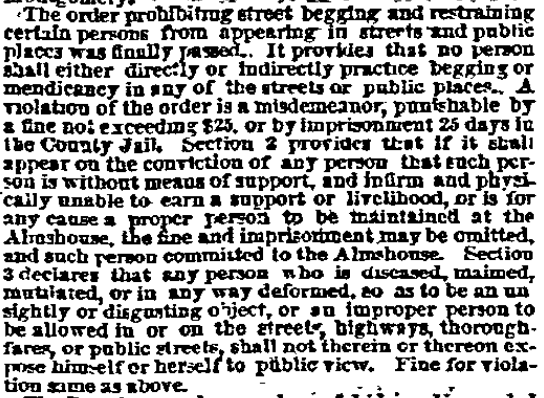
In one peculiar instance in American history, individuals who had “apparent” disabilities were targeted for institutionalization. This was due to reactions to an influx of impoverished people in some American cities. Ministers, charitable organizers, city planners, and city officials created what was known as the “Ugly Law.” It first went into effect in San Francisco in 1867 as Order No. 783 (Fig. 2):
“Any person who is diseased, maimed, mutilated, or in any way deformed…shall not…expose himself or herself to public view, under the penalty of a fine.”
The law prohibited street begging and restricted certain people from being out on public streets and public places. It allowed police to arrest and jail people with so-called “disabilities” for no reason other than for being disfigured or demonstrating some type of disability. It often led to confinement in almshouses, mental hospitals, and poorhouses. This concept spread to other cities, and was concerned more with appearances like deformity, unsightliness, and being a disgusting object. . Its goal was to discourage people with disabilities from being out in urban areas. Some of the laws’ supporters believed that if disabled people were moved from the streets into institutions, they would receive better care.
In many cases, the law was never enforced. Chicago enacted it in 1881 but it merely sat on the books until it was repealed in 1974.
Searching for Institutional Records
As in any other genealogical research endeavor, you should first define your research objective: What do you want to learn about this person? Identify the person’s information, such as full name, birth and death dates, last known residence, and suspected type of institution. Then determine your primary questions. Was the person an inmate, a staff member, or a patient? In which institution was he or she? During what time period?
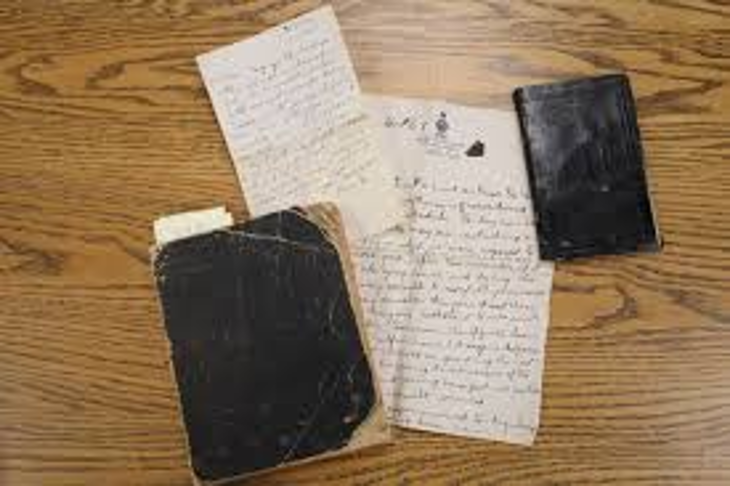
Once you do that, the next step is to ask: What records do I need to look for to accomplish this, and where do I start looking? The best place to begin is at home. Look for items such as family Bibles, letters, diaries, photos, probate records, family oral histories for references to institutions, or terms like “state home,” “reformatory,” and “hospital.” Pay attention to euphemisms that might disguise institutional residency, such as “sanitarium,” “home,” and “school.” A good introduction to this process is here.
Types of Institutions
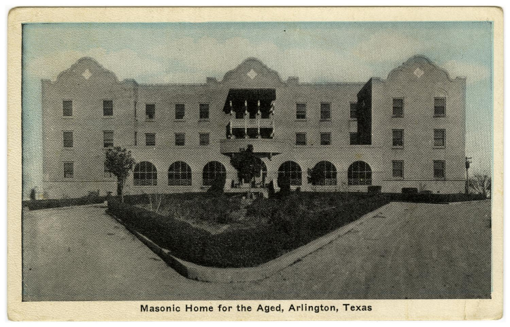
Several types of institutions existed for different needs. These included poorhouses, orphanages, orphan trains, mental hospitals, veterans’ homes, old-age homes, institutional schools, sanitariums, asylums, correctional institutions, and fraternal homes (Fig. 3). Depending on the situation, you may information about your person in one or more of these places.
Contents of Institutional Records
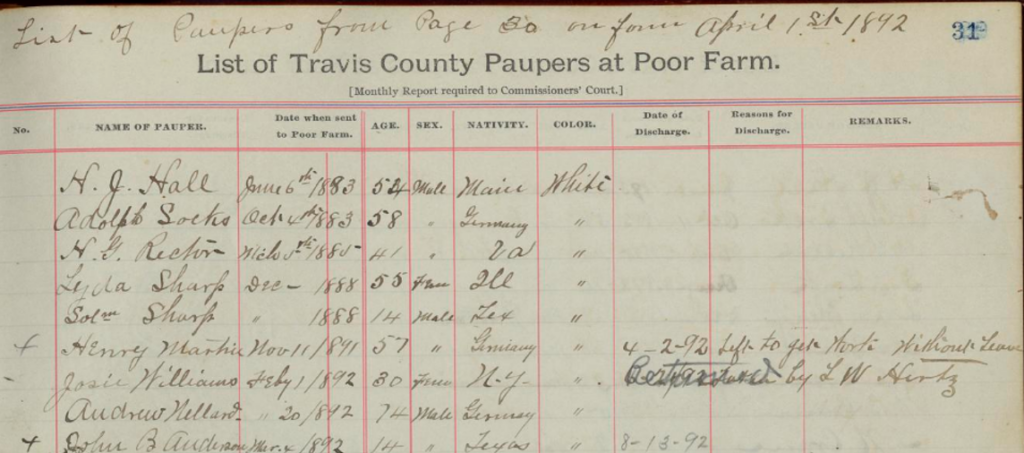
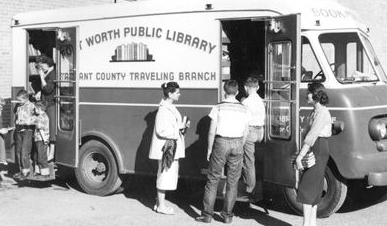
Content of institutional records varies. For example, health-related records could include admittance and discharge logs, case files, patient/inmate registers, annual reports, death registers, personnel files, and photos. Prison and pententiary records could include admission registers, mug shots, pardon or parole records, conduct books, and court dockets. Orphanages may have intake/adoption records, agency reports, and religious organization archives if they are affiliated with a religious body. Mental institutions may have commitment papers, patient case files, and state hospital annual reports. Institutions for the physically disabled may have state or private facility logs, census records, and institutional papers (Fig. 4). A good guide to locating institutional records is here.
Census Records
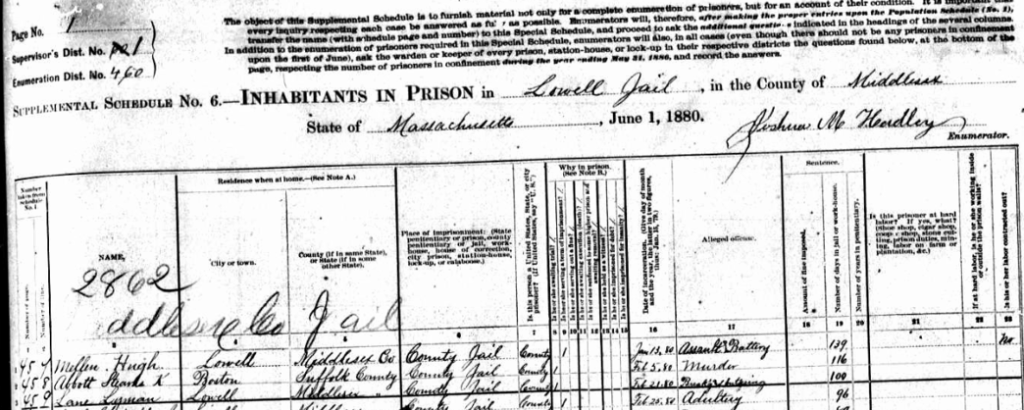
From 1850 onward, U.S. federal census records list all household members by name, including those in institutions. Later censuses identify people in prisons, orphanages, facilities for insane, etc. Residents often appear in separate sections at the end of the enumeration district, with the institution’s name in the margin or heading. If relevant, you should also check special censuses, such as the 1880 Census of Defective, Dependent, and Delinquent Classes. (Fig. 5).This set of documents (also called the DDD schedules) includes detailed information about the insane, feebleminded, blind, deaf, paupers, prisoners, and homeless children. Homeless children, paupers, and prisoners were recorded if they lived in institutions. Other classes, such as the insane or blind, could be listed whether at home or in an institution, depending on their circumstances. If the regular 1880 population schedule indicates that your ancestor fit into one or more of these categories, be sure to check the appropriate DDD schedule.
Court and Legal Records
Court and legal records can provide information on the reasons for, and process of, institutionalization. They include records of probate and guardianship, as well as commitment papers for mental hospitals and reformatories normally filed in local courts. Criminal court cases may show sentencing to specific correctional institutions (Fig. 6)
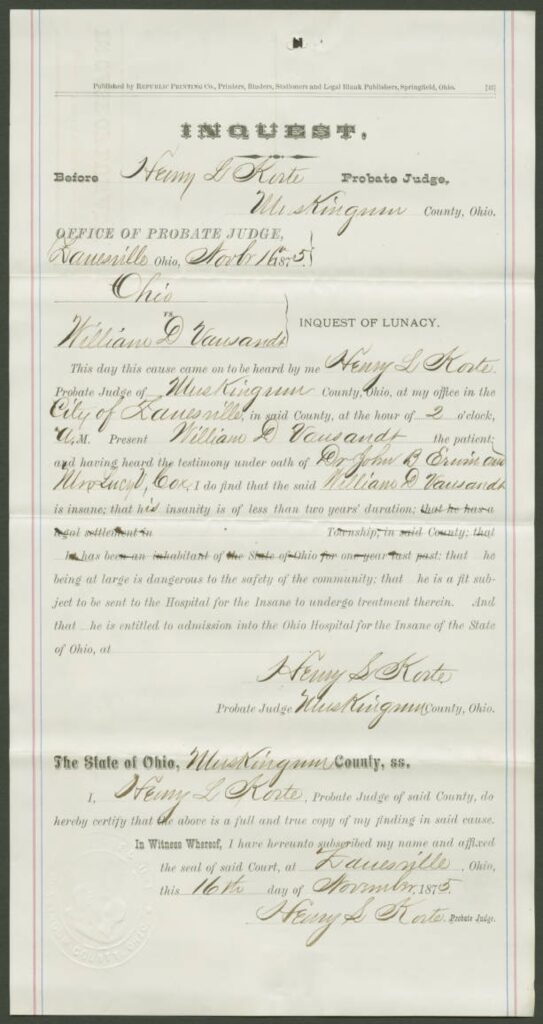
Muskingum Co., Ohio Probate Court, 1885
Newspapers and Directories
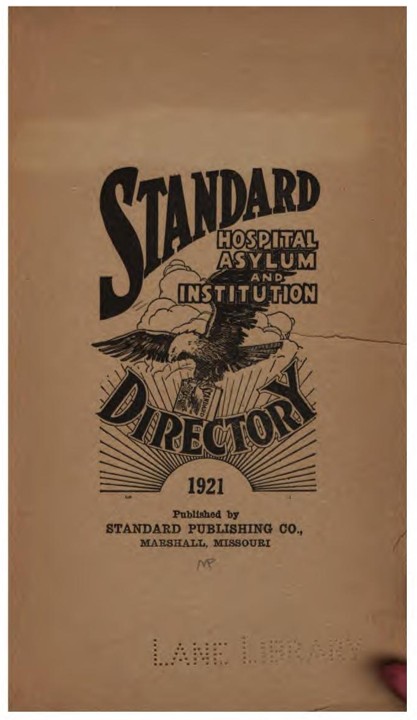
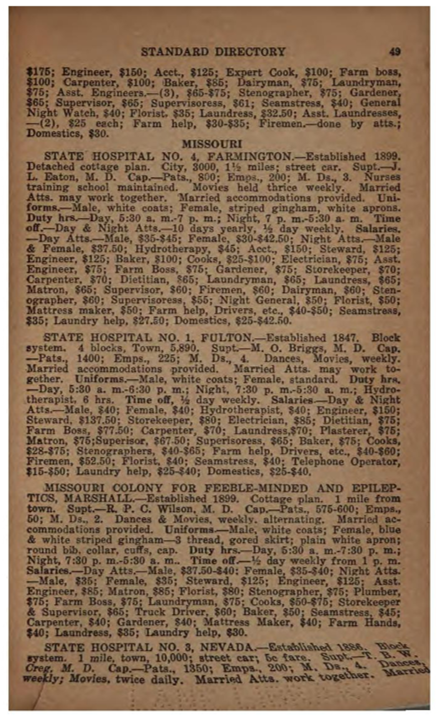
In some cases, lists of inmates, reports on happenings, court notices, and obituaries with institutional information can be found in newspapers. City, county, and specialized directories sometimes list residents and staff (“asylum directories,” “almshouse registers”) (Figs. 7a and 7b).
State Boards of Charity
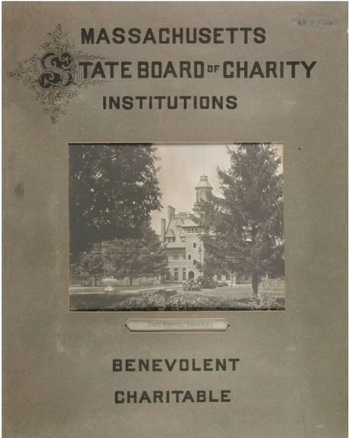
From the late 19th-mid-20th centuries, reports were produced by state-level oversight boards known as state boards of charity (Fig. 8). They kept exceptionally detailed documents intended to supervise and improve management of public/private charitable, correctional, and benevolent institutions. Their mission was to promote accountability, standardize administration, and highlight needs and abuses. Depending on your ancestor’s involvement, one or more of these elements may be of interest in your research. These reports usually contain the following information:
- Institutional inspections and supervision
- Summaries or detailed results of official visits or inspections to almshouses, poorhouses, asylums, orphanages, state hospitals, reformatories, and private charities
- Observations on cleanliness, order, food quality, medical care, discipline, staff competence, and condition of residents
- Statistical data
- Extensive quantitative tables: admissions, discharges, deaths, illnesses, age/sex/race of inmates or residents, funding sources, budget breakdowns
- Comparisons between years and institutions to show progress/highlight trend/deficiencies
- Financial accounts and audits
- Itemized financial statements/audit summaries, including expenses, appropriations, salaries, contracts, property inventories
- Certifications of compliance and recommendations for greater efficiency/rectification of irregularities
- Recommendations and legislative proposals
- Suggestions for new statutes, regulatory reforms, building needs, administrative restructuring
- Advocacy for/against incorporation of new charitable entities, and recommended closures or reorganizations
- Case studies and notable incidents
- Individual case records or anonymized vignettes demonstrating best practices/exposing abuses
- Reports of investigations into allegations of neglect/misconduct, with resulting findings/disciplinary recommendations
- Personnel and management
- Rosters of officers, overseers, managers, staff, brief biographical notes
- Evaluation of staff qualifications and organ
- Special focus areas
- Thematic essays, charts, or special sections: e.g., care for insane, policies for dependent children, family placements, juvenile reform, institutional segregation
- Reports on state-wide initiatives, systemic reforms (such as removing children from poorhouses), or findings on public health crises
- Legal and administrative context
- Discussion of legislative environment shaping board’s powers, mandates for inspection, licensing, and reporting
- Notices of new laws/constitutional amendments affecting jurisdiction/responsibility
Where to Search for Published and Online Institutional Records
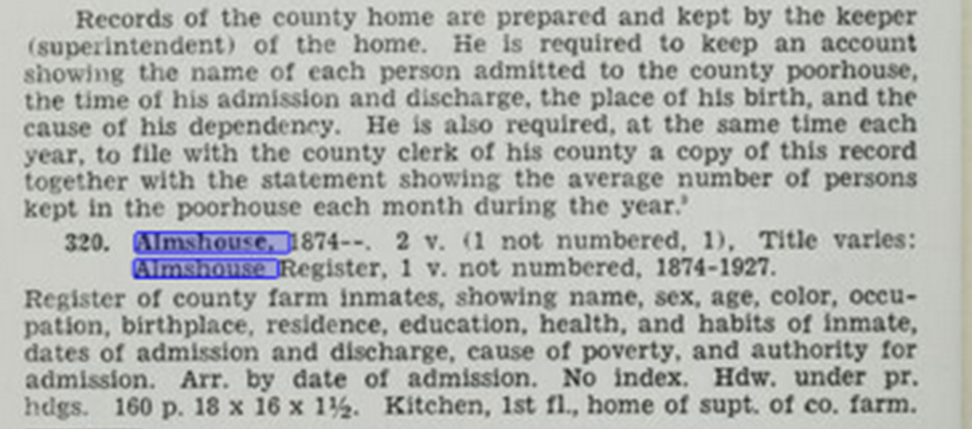
Institutional records may be found in a variety of locations, such as state and local archives, county courthouses, County Commissioners Courts, state libraries, state historical societies, orphanages, and denominational and charity archives. If the institution still exists, even if under a different name, it may have its own archive and may be willing to conduct some level of research. Some published and online resources contain genealogical information relating to institutionalized persons. State archives and state libraries can be a great resource. Look for guides and finding aids created by these libraries. Some may have digitized records available online (Fig. 9). Free online databases, such as FamilySearch, HathiTrust, and Internet Archive, and others, as well as subscription-based Ancestry.com, may also have institutional records and/or information. These databases may also include published local and state histories that include published reports and institutional histories.
Availability and Legal/Ethical Restrictions
Some institutional records are closed or restricted to protect privacy, especially juvenile or medical/mental health files. Be sure to check state privacy laws and access policies as part of your research process. Obtain death certificates or permission letters when necessary. Some facilities are required to maintain patient records for a certain number of years after discharge. Records not archived may have been destroyed but always do your due diligence before concluding that they don’t exist.
Aim for Context
Research the institution’s history through local histories, websites, and archival aids to understand institutions within their specific historical, social, political, and economic settings. Understanding social conditions and social morés at the time will help you understand why someone might be placed in an institution. This is critical toward understanding what these places were and how they changed over time. Lastly, recognize that institutions are shaped by past events, decisions, and social conditions. And maybe that relative who was “in an institution” was actually an employee.
Don’t let modern judgements interfere with your efforts to faithfully record the past.



Recent Comments