
Is There A Doctor in the Camp? A Look at Revolutionary War Medicine
In today’s blog we will discuss Revolutionary War medicine and the important medical records genealogists can use to identify Revolutionary War ancestors.
Images of this war often focus on muskets, cannons, and battlefield heroics, but more soldiers in Continental Army and state militias died from disease than from enemy bullets or bayonets. Over eight years, deadly scourges regularly threatened soldiers’ lives because germ theory had not yet been established, and so physicians and caregivers did not understand how microorganisms caused disease or how infections spread.
Early Medical Theories and Treatments
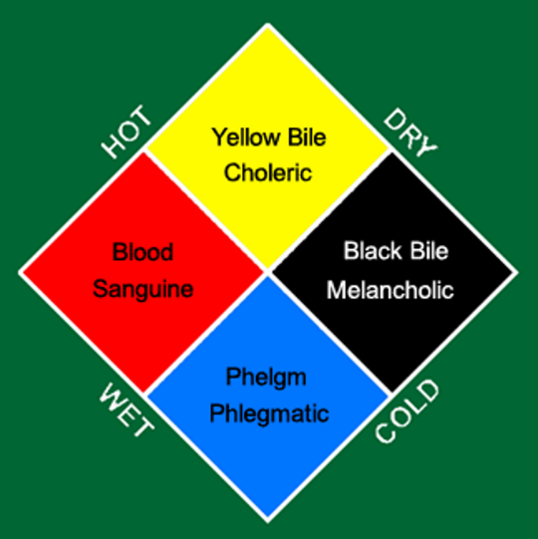
Medical treatments in the eighteenth century fit the prevailing humoral theory of medicine dating back to the ancient Greeks. Disease was believed to be caused by an imbalance in humors, so sweating, bleeding, or other purging would remove excess and restore health. Humoral theory (or humorism) was an ancient medical system first advanced by Hippocrates, then by Galen, a Greek physician, surgeon, and philosopher (Fig. 1). Galen was considered to be one of most accomplished of all medical researchers of antiquity. He posited that human health, physical traits, and temperaments are governed by a balance of four distinct bodily fluids or humors: blood, phlegm, yellow bile, black bile (Fig. 2). The imbalance of humors was thought to be the direct cause of all diseases, and health was associated with a balance of humors. The qualities of the humors, in turn, influenced the nature of the diseases they caused. The goal of treatment was to rid the body of excess humors via various techniques, and treatment depended on the type of humor involved. Fevers, for example, were considered diseases, and blood made the body hot, so bleeding was a leading treatment for this disorder, as well as for many others.

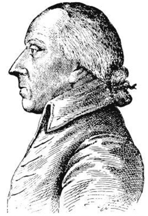
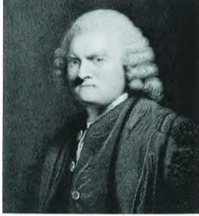
Colonel John Jones (Fig. 4), who served in the colonial wars and the Continental Army, studied medicine and surgery in France at the University of Rheims. He later established the medical school at King’s College, which later became the Columbia University College of Physicians and Surgeons. He was the first full professor of surgery in the New World and authored the first manual of surgery: Plain, Concise, Practical Remarks on the Treatment of Wounds and Fractures; To Which Is Added, A Short Appendix On Camp and Military Hospitals; Principally Designed for the Use of young Military Surgeons, in North-America (1775). Revolutionary War-era doctors would have been familiar with this book. Jones wrote that facial lacerations should always be sutured; few sutures should be used and should be removed as soon as possible, and burn wounds should be stratified and treated accordingly. A generation earlier, Sir John Pringle (Fig. 5) transformed medical care in the British army, emphasizing the need for order, cleanliness, sanitation and ventilation in military hospitals. A century before the discovery of microbes and antibiotics, he published Observations on Diseases of the Army in Camp and Garrison which pioneered work in the prevention of contagion and cross-contamination in treating the sick and wounded.
Creation of the Continental Army Hospital Department
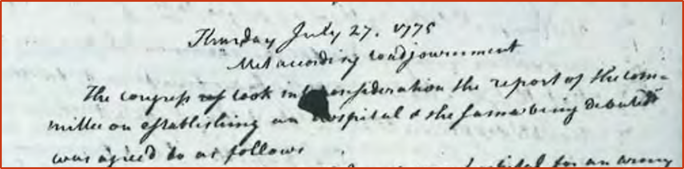
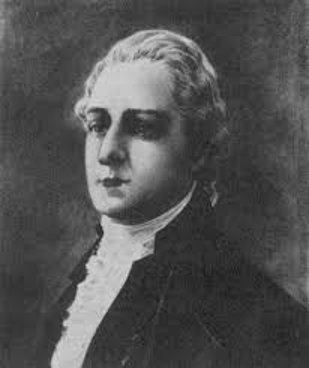
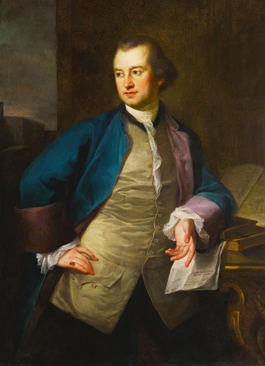
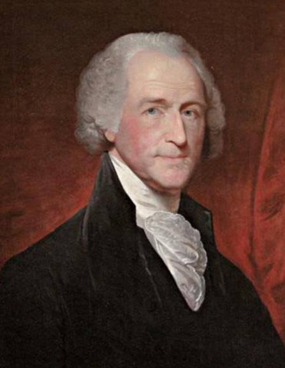
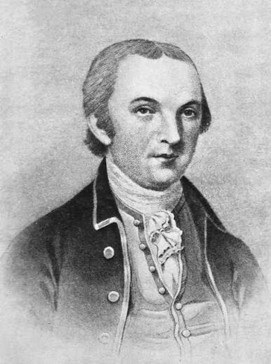
The Continental Congress established the Hospital Department on July 27, 1775 (Fig. 6). Dr. Benjamin Church (Fig. 7), who served from July 27, 1775- October 17, 1775, was a Harvard-educated physician appointed as the first Director General and Chief Physician of the Continental Army’s Medical Department, later court-martialed for treason in 1775. He was replaced by Dr. John Morgan (Fig. 8), who served from October 17, 1775 – January 9, 1777. From April 11, 1777-January 3, 1781, Dr. William Shippen, Jr. (Fig. 9) held the post and helped establish early North American medical education (such as the College of Philadelphia). He also succeeded in organizing the Continental Army’s medical department. He was replaced by Dr. John Cochran (Fig. 10), who served from January 17, 1781-October 23, 1783.
Overview of the Hospital Department
There were 1,400 medical practitioners in Continental Army, but only about ten percent had formal medical degrees. The majority of the rest learned via apprenticeship with established physicians. Those in civilian practice were not prepared for the grim realities of eighteenth-century warfare. Each regiment was staffed with a surgeon and surgeon’s mates who provided battlefield triage and acute critical care. The Hospital Department ran general hospitals which treated patients needing longer care, or who couldn’t march and were transferred when the Army needed to move) received political attention. Many doctors treated acute patients in regimental hospitals but Congress paid far more attention to the general hospitals.
Throughout the war, delivery of adequate care was beset with administrative and logistical problems. Confusion in the command structure resulted in unclear authority between the department and the regiments. Professional jealousy permeated its leadership, and severe supply and drug shortages frequently left doctors begging for necessaries. General hospitals sometimes refused to provide supplies to regimental surgeons, while regimental surgeons resisted transferring patients to general hospitals. Devastating disease outbreaks (smallpox, dysentery, typhus, etc.), untrained personnel, and poor facilities also contributed to the high mortality rate that included medical personnel as well as soldiers.
Hospital Locations, 1775-1778
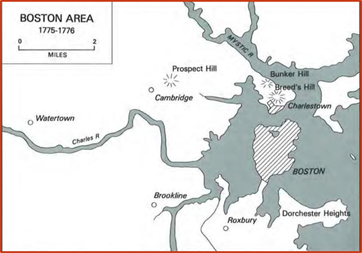
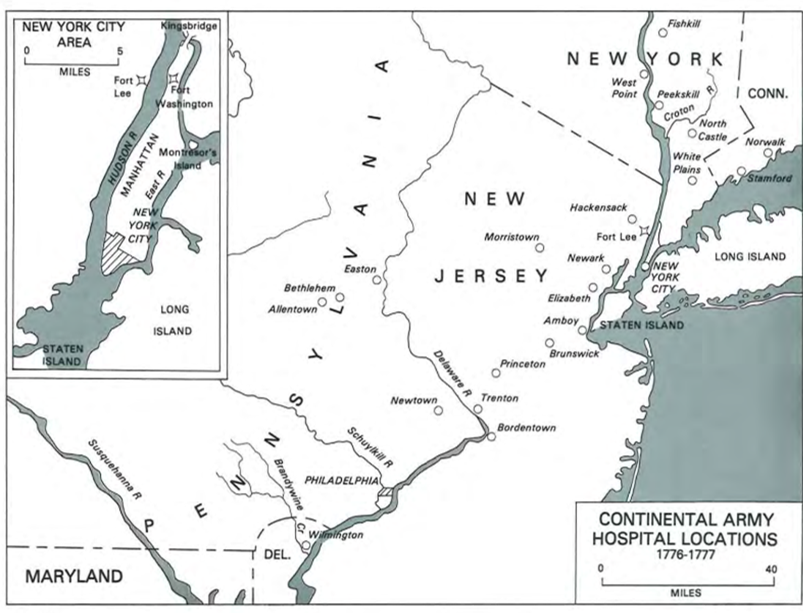
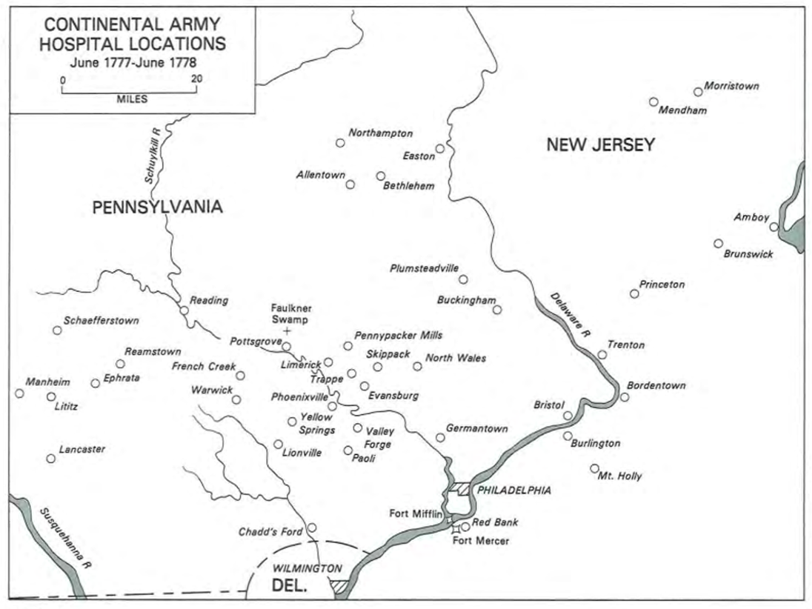
Fig. 11 shows the three hospitals around Boston during 1775 and 1776. The 17,000-man New England army was disorganized and undisciplined. Enlisted men generally ignored camp and personal hygiene, regarding attempts at discipline as tyranny; however, when George Washington took command in July 1775, only 9.5-12.5 percent of them were unfit for duty. The only hospitals were in Cambridge, Watertown, and Roxbury. There was no attempt to segregate soldiers suffering contagious diseases from the wounded, and visitors were given unlimited access to patients. All elementary rules of hospital discipline were ignored. Figs. 12 and 13 show hospital locations between 1776 and 1778. The numbers increased but the problems continued unabated. Fig. 14 shows the very small hospital hut at Valley Forge during the winter of 1777-1778.
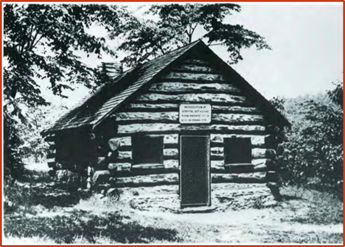
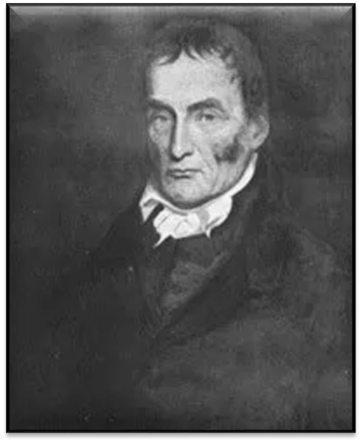
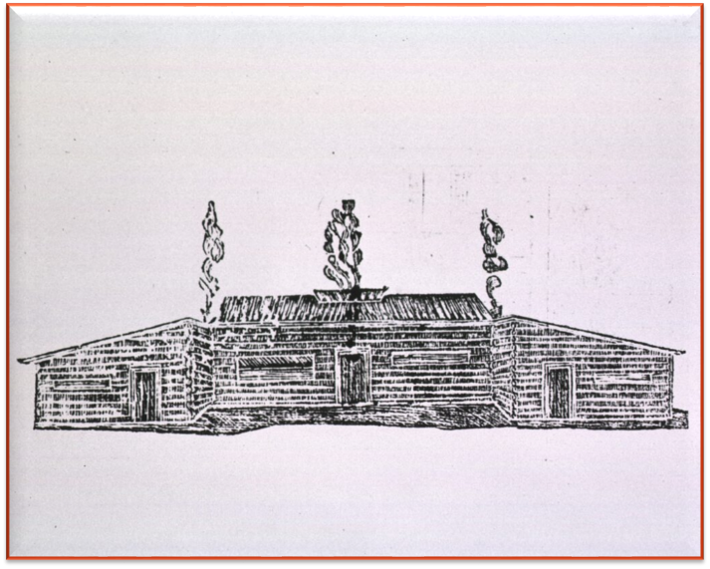
You can see how small the Valley Forge hospital was, and how difficult it must have been to care for sick and wounded soldiers because of overcrowding, poor ventilation, and unclean surroundings. In 1779, however, Dr. James Tilton of Delaware (Fig. 15) may have learned something about preventive medicine. He designed a novel type of hospital, the “Tilton Hut,” at Basking Ridge, New Jersey, which was a fairly spacious, amply ventilated log building. It contained separate wards which were fumigated by smoke curling above patients’ heads to provide partial disinfectant, and may have contributed to a reduction of morbidity and a modest improvement in medical services (Fig. 16).
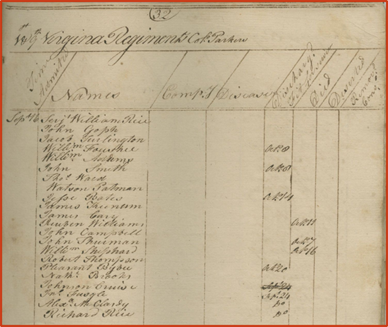
Here’s an example of a page from a register of patients admitted to a Continental Army hospital between September 16, 1778 and early January 1779 (Fig. 17). It was divided into two sections; unfortunately, pages 8-19 of the first section were torn away. In the rest of this section, you’ll find over 800 names of soldiers, organized by regiment, who were admitted to hospital on September 16, 1778. In the second section are listed 679 soldiers admitted for treatment between November 1778 and early January 1779. The register is organized by regiment and shows names, dates of admission, companies, diseases, and reasons for discharge (fit for duty, desertion, or death.
Medical Treatment of Soldiers
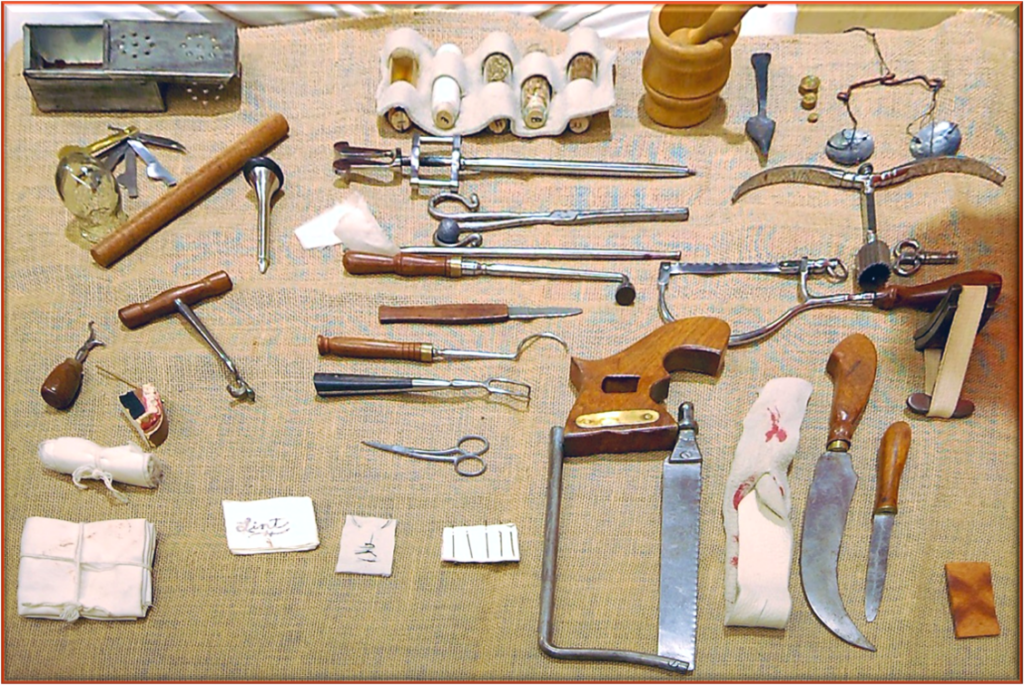
Treatment of wounded soldiers depended on the type of wound they suffered. Figure 18 displays common Revolutionary War medical tools. Inflammation was treated with warm baths, bleeding (to reduce swelling), laxatives, and medicines intended to induce sweating. Incisions, cut tendons, and lacerations were typically treated with plaster and bandages to hold the wound together. Sutures were given only for vertical wounds. Punctures were usually left untreated except in severe cases. Gunshot wounds, fractures, and severe lacerations often resulted in amputation of limbs. Anesthesia did not exist; patients might be given a strong leather strap to bite down on and/or a swig of strong drink during such procedures. The mortality rate estimate was sixty-five percent; those who survived were generally disabled, and some may have applied for pensions after the war.
Muster Rolls as “Medical Records”
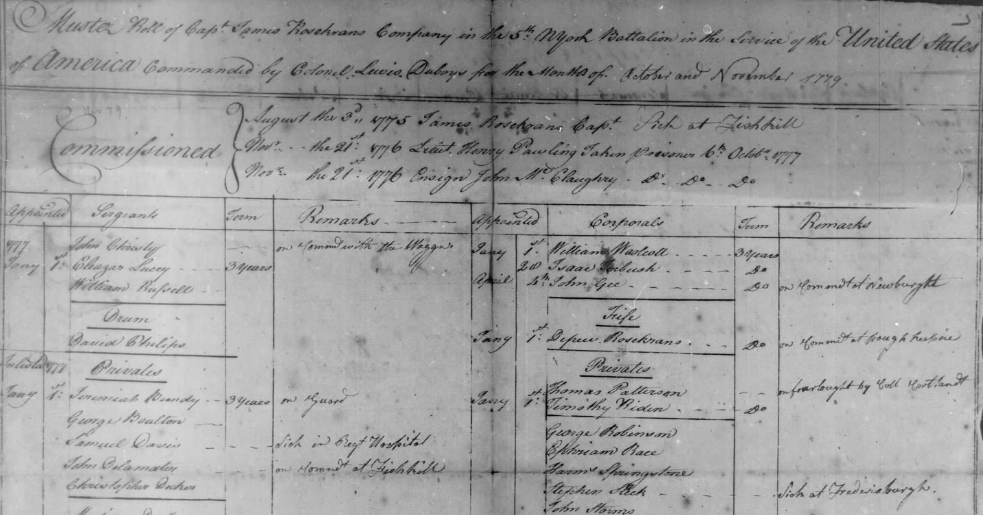
While not actual medical records, regimental muster rolls may indicate that a soldier was undergoing medical treatment at a general or regimental hospital. In the Revolutionary period, muster rolls were simple lists—often handwritten—of those present or absent in a company, battery, or aboard a ship, with minimal identifying data. The roll provides the date of the muster, names of soldiers in that regiment, and the name of the colonel in charge of it. It may be used to help determine where the regiment was at the time of a skirmish or battle and help you determine in which hospital the soldier may have been a patient. Check the “Remarks” column for comments such as “Absent sick” or “Sick in Hospital,” as shown in Fig. 19 below. The roll may also show a soldier assigned to assist in a regimental hospital.
Fold3 Library Edition
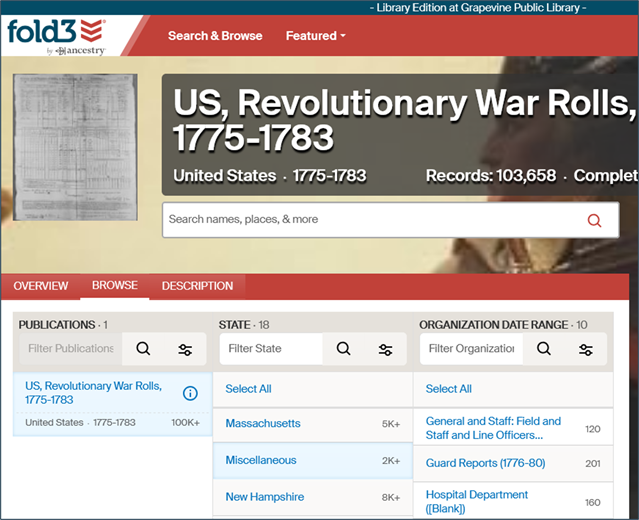
Grapevine Library subscribes to Fold3 Library Edition, a resource for military research pertaining to American involvement in military conflicts, beginning with the Revolutionary War. It’s for anyone interested in these records, and you don’t need a library card or password to access them. Here you can find muster rolls and records of the Hospital Department to browse or search for original records. Go to the home page and click on “Revolutionary War.” In the search box that follows, click “Publications,” then enter “revolutionary war rolls” in the search box. The title “US, Revolutionary War Rolls, 1775-1783” will appear. Click on that, which will take you to “Muster rolls, payrolls, strength returns, and other miscellaneous personnel, pay, and supply records of American Army units, 1775-83” where you can begin your search by name, keyword, or place.
If you want to browse the 160 hospital records, click “Browse,” which will show a state column. Click on “Miscellaneous” in that column. The column “Organization” will then appear. Scroll down to “Hospital Department” and click on the link. The column “Folder” will appear, and below the heading, click on the number “3.”
Fold3 is also available from home via the TexShare Database Program. To access it, you’ll need a Grapevine library card and the TexShare password. If you have a card, contact the Library for the password. Follow this link to the library’s TexShare database page, click on the Fold3 link, then enter the password to begin your search.
If your Revolutionary War soldier applied for a pension, he may have mentioned being sick or injured and in a hospital. If you find such information, it may be worth checking for a muster roll of his regiment and/or hospital records. You’ll also find digitized pension records in Fold3. Including this information will enrich your family story that much more.

Recent Comments