Tagged: grapevinelibrary

They Couldn’t Take It with Them: Using Estate Inventories in Genealogical Research

You can learn a lot about your ancestors by looking at their possessions, or at least by looking at lists of their possessions if you don’t have historical artifacts or documents. Today’s blog will discuss estate inventories and how they were made by the wealthy, poor, and all those in between. Whether they held $50,000 in bank stock or only a cow and some pots and pans, our ancestors deserve to be remembered for who they were. Estate inventories are frequently overlooked by genealogists because they believe these documents don’t provide genealogical evidence. But they do provide a glimpse into your ancestor’s personal life and the material culture of his or her time. For this reason, we’re going to take an economics approach as well as a genealogical one. By blending these approaches, we can get a much clearer and closer understanding of the world our ancestors lived in and...

Getting to Know You: Connecting with Your Ancestors Through Social History

This month, guest blogger Linda Stufflebean shares her genealogical experiences connecting with ancestors through social history. She will introduce herself, after which she will tell her story and provide valuable information you can use to connect with your own ancestors. I’m Linda Stufflebean and I have been a family history researcher since 1979. Most of my friends would agree that I’m totally obsessed with genealogy. In addition to doing some professional work, I have been a volunteer teacher in Tucson, Arizona since 2010. Through the years, I have visited numerous repositories, court houses and cemeteries in the quest for details about the lives of my ancestors. Of course, there have been brick walls along the way. I have been fortunate to find ways to knock down – or march around – many of them and decided to focus my blog, www.emptybranchesonthefamilytree.com on both methodology and education.  Please take a minute...

Researching Masonic Ancestors

Perhaps you have a male relative who was a Freemason and a member of a US Masonic lodge. In today’s blog we’ll discuss how to research and document the Masonic relatives in your family tree. A Brief History of Freemasonry The Freemasons are the world’s oldest fraternal organization. The general consensus among Masonic scholars is that they started with medieval stonemasons who built British castles and cathedrals. During the Middle Ages, stonemasons often traveled around to find work in different locations. To demonstrate their level of qualification, they would use grips, words, and signs to distinguish themselves from unqualified builders. Freemasonry uses building analogies to teach members how to lead productive lives that benefit the communities that they live in. Part of the Freemason’s outfits includes aprons and gloves. This is because in the medieval era, stonemasons wore aprons and gloves to protect themselves while working on shaping rough pieces...

Finding Ancestors in the Confederate Navy

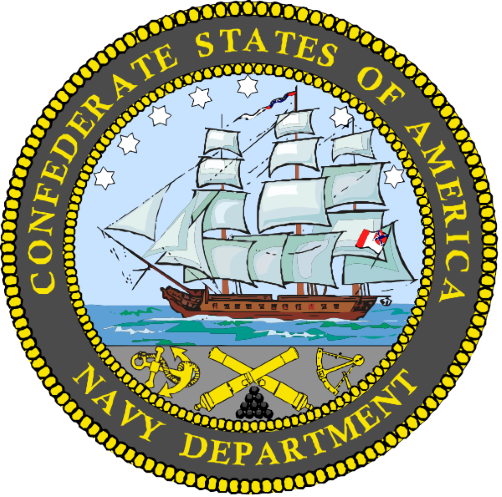
Today’s blog will discuss the history of the Confederate Navy and provide resources to identify and learn more about your Confederate Navy ancestors and their service. As the southern states seceded from the Union, they made efforts to provide for a navy, and conferred rank upon its officers. A few revenue cutters and merchant steamers were seized and converted into men-of-war. Thus, at the beginning, each state had its own navy. The Confederate States Navy was established by an act of the Confederate States Congress on February 21, 1861. The navy department was organized with Stephen R. Mallory, secretary of the navy: Commodore Samuel Barron, chief of the bureau of orders and detail; Commander George Minor, chief of ordnance and hydrography; Paymaster John DeBree, chief of provisions and clothing; Surgeon W. A. W. Spotswood, bureau of medicine and surgery; Edward M. Tidball, chief clerk. The Confederate government conferred commissions and...

The Census Taker Cometh!

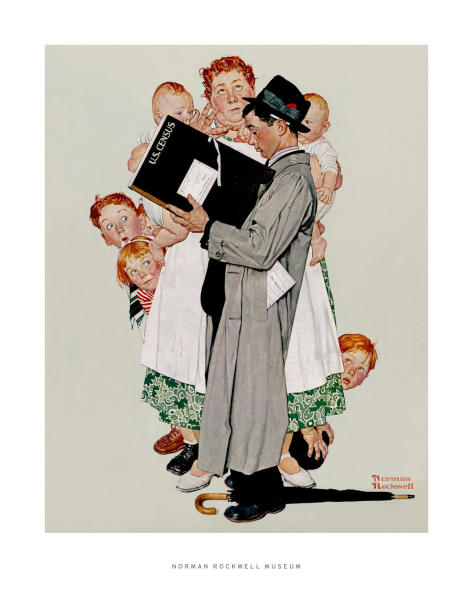
This month’s blog post is about the taking of the census and census taker experiences, a behind-the-scenes look at what it took to undertake a nation-wide headcount. The Constitution of the United States, Article 1, Section 2 says: “Representatives and direct Taxes shall be apportioned among the several States which may be included within this Union, according to their respective Numbers, which shall be determined by adding to the whole Number of free Persons, including those bound to Service for a Term of Years, and excluding Indians not taxed, three fifths of all other Persons. The actual Enumeration shall be made within three Years after the first Meeting of the Congress of the United States, and within every subsequent Term of ten Years, in such Manner as they shall by Law direct.” The US has had a decennial census for apportionment of representatives and for direct taxes since 1790. With...

The 1752 Calendar Change, Plus Where Did My Eleven Days Go??

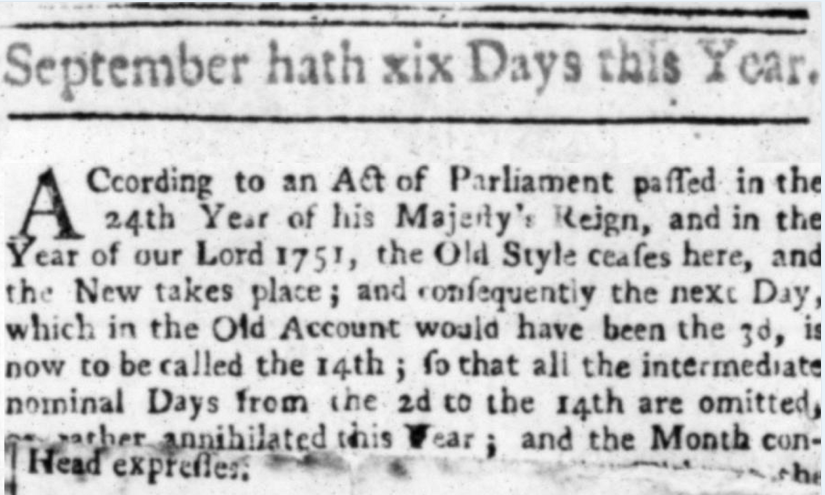
Dates are as critical in genealogy as they are in every-day life. However, it’s not just the dates but actual calendar changes that genealogists need to know about and be aware of in their research. In today’s blog, we’re going to examine two critically important calendar changes that can make all the difference in establishing the accurate dates of ancestral events. SOME CALENDAR HISTORY Before 1752, Britain and her Empire followed the Julian calendar, first implemented by Julius Caesar in 46 BC. However this calendar had an inbuilt error of one day every 128 years, due to a miscalculation of the solar year by eleven minutes. This affected the date of Easter, traditionally observed on March 21, as it began to move further away from the spring equinox with each passing year. This was making life difficult in an agricultural economy. Traditionally, the new year was determined by the beginning...

“And Your Petitioners Shall Ever Pray”: Federal Legislative Petitions in Genealogical Research

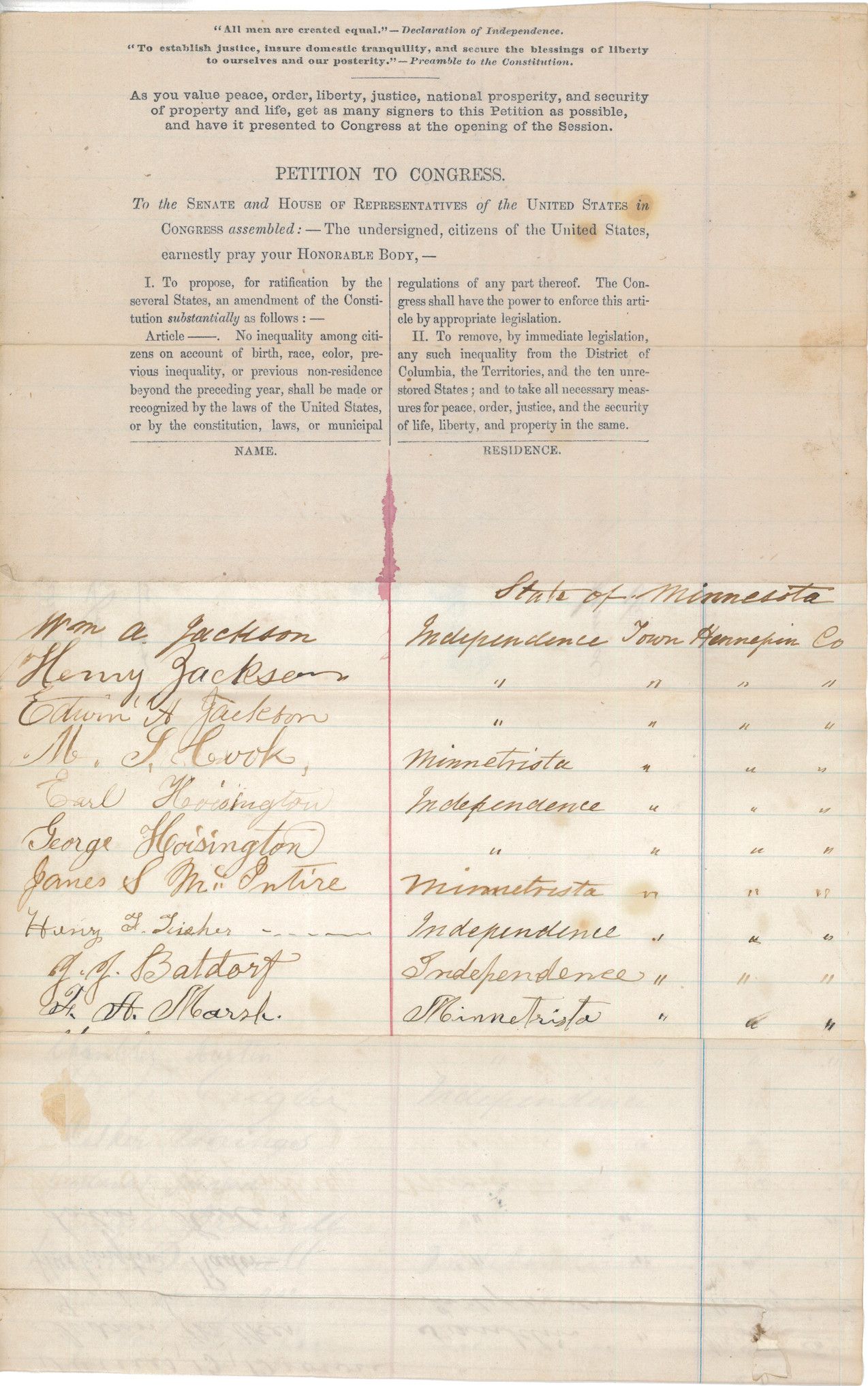
United States House and Senate journals, and other legislative works contain a wealth of genealogical information, most of which came in the form of petitions. Petitions reveal a great deal about ancestors and what mattered to them. They also provide context on neighbors and neighborhoods. Some resulted directly in the passage of requested legislation or were referred to committee along with additional petitions related to a broad issue. All of them indicate a striking awareness of public debate and the political process, tell us a lot about what our ancestors considered to be important. Value of Federal Legislative Petitions Petitions could come from an individual, a group, or a business. They frequently contain supplementary support documents such as maps, wills, naturalizations, resolutions, deeds, affidavits, judgements, and other items. Petitions can contain one signature, a hundred, or even thousands. If an ancestor signed any kind of petition, you probably have his...

MyHeritage Library Edition Now Available at Grapevine Library!

At Grapevine Library we’re excited to offer a new genealogy database – MyHeritage Library Edition™ (MyHeritage LE)! It’s an excellent genealogical research tool. In today’s blog we’ll take a look at some of its great content. MyHeritage LE is one of the largest, most internationally diverse genealogy databases of its kind in the world. It includes billions of historical documents from more than forty-eight countries, millions of historical photos, public records, indexes and additional resources. Available in forty-two languages, MyHeritage LE is the industry’s most multilingual family history research database. What Does MyHeritage LE Have? MyHeritage LE contains a wide variety of content, and more than 100 million records are added every month. This includes • Over 18.5 billion historical records world-wide • US federal census records from 1790-1950 with images • UK census records from 1841-1901 with images • Over five 5 billion exclusive family tree profiles from MyHeritage...

A “Shirt factory at Grapevine”: How the WPA Provided Work for Grapevine Women during the Great Depression

Continuing our focus on how Grapevine dealt with the Great Depression, today we look at the Grapevine sewing room and how it developed. Sewing room projects were under the Works Progress Administration (later Work Projects Administration) (WPA), established on November 1, 1935 to provide work to unskilled women and to get them ready for private work, as well as to supply goods to a non-competitive market without purchasing power. Sewing rooms became the backbone of the women’s division of the WPA. On February 12, 1935, Mayor B. R. Wall “Signed [a] contract with Government for Shirt factory at Grapevine.” Later known as the Grapevine Sewing Room, it was located at 413 S. Main in the north half of the old City Hall, and it served as a means of employment for many Grapevine-area women during its existence. The room was prepared for use by local residents E. L. Jordan, who...

The New Deal Comes to Grapevine: History of the School the WPA Built

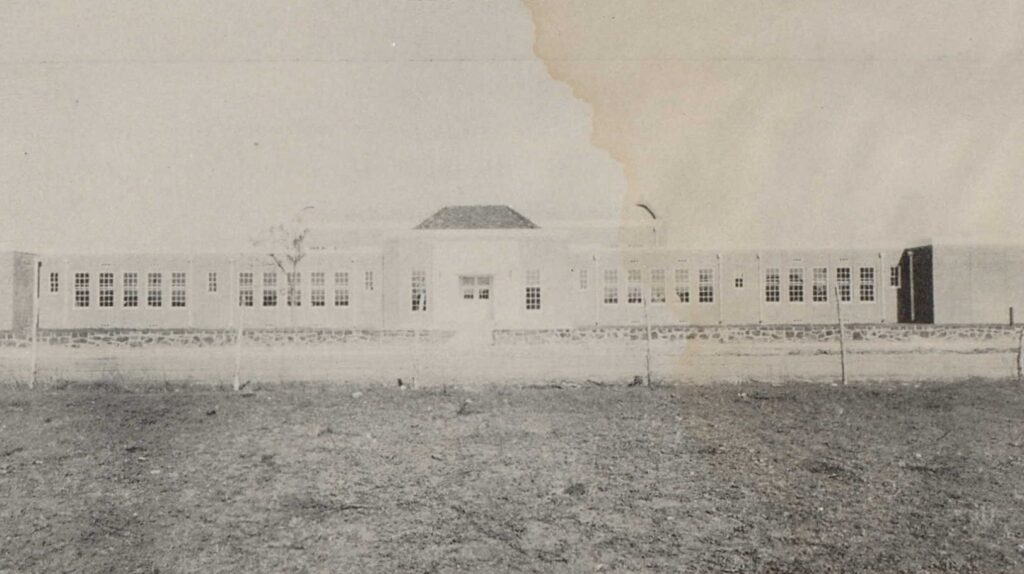
In a past blog we looked at back-to-work initiatives generated during the Great Depression by President Franklin D. Roosevelt’s New Deal. Most of the funding of Grapevine’s New Deal projects became available through the Works Progress Administration (WPA). These included a canning factory, a sewing room, a new grammar school building, a renovated high school, a new homemaking education building, and the Soil Conservation Service (SCS) Office. The Public Works Administration (PWA) provided funds for a water project. The canning factory story is covered in the August 2024 edition of the Grapevine Historical Society newsletter On The Vine (”Yes, We Canned!”), so be sure to check it out. Today’s blog will discuss the history of the Grapevine school the WPA helped to build. Grapevine had just incorporated in 1907. In 1908 the town first voted a bond issue of $12,000 and a fifteen-cent maintenance tax for a two-story red brick...